
Quelle:
www.remember-our-heroes.nl
| Allgemein | |
|---|---|
| Hersteller: | Douglas |
| Produktionsblock: | , B-17G-25-DL: 42-37989 bis 42-38083 |
| Einsatzgeschichte | |
|---|---|
| Bomber-Gruppe: | , 401st Bomb Group |
| Bomber-Staffel: | , 614th Bomb Squadron |
| RCL: | IW-Q |
| MACR: | 2661 |
| Schicksal: |
, Abschuss durch Feindflugzeug (22 Februar 1944) |
Geschichte der
B-17 42-38002
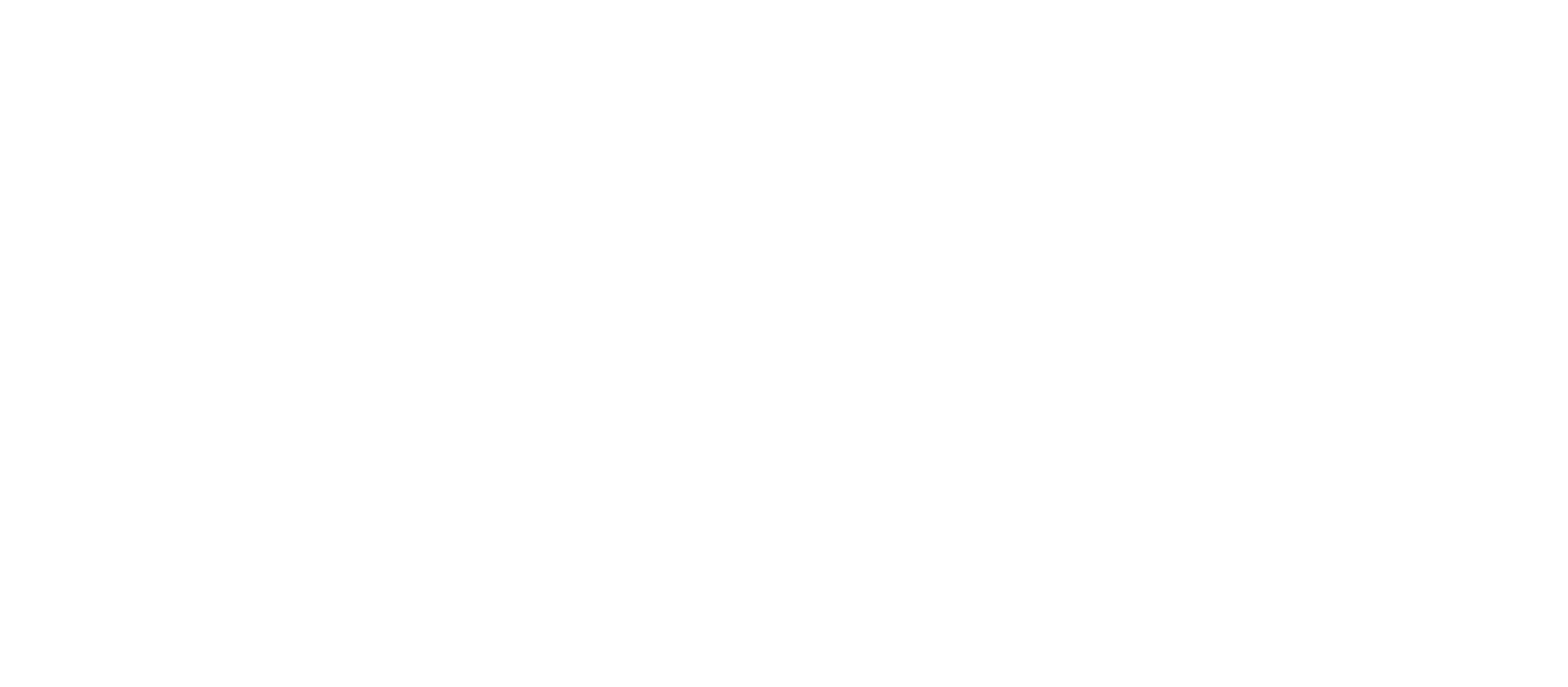
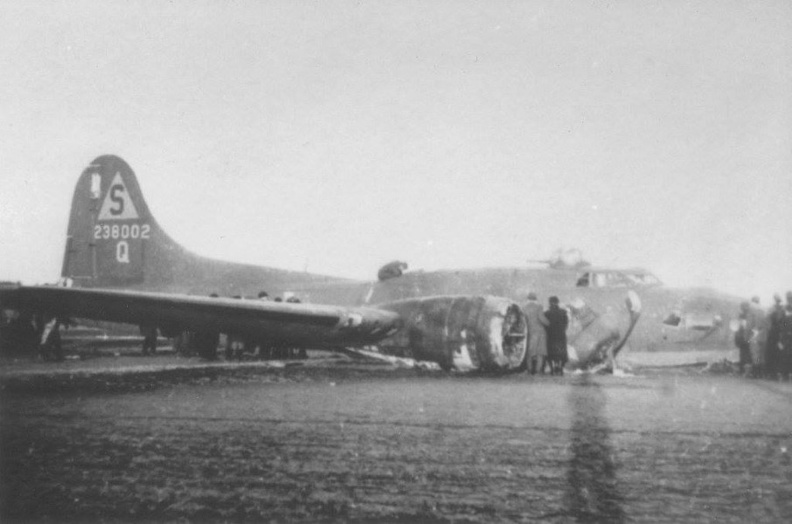
Delivered Denver 9/11/43; Grenier 4/12/43; Assigned 614BS/401BG [IW-Q] Deenethorpe 21/1/44; Missing in Action Oschersleben 22/2/44 with Vernon Arneson, Co-pilot: Jerome Kleinburg, Navigator: John Dean, Flight engineer/top turret gunner: Clennie Shultz, Radio Operator: Fred Webb, Ball turret gunner: Armond Provender, Waist gunner: Dave Trambitsky,Tail gunner: Rich Schmidt{when about to bale out found his chute was damaged, (8 Prisoner of War); Bombardier: George Gilmore{baled out too low}, Waist gunner: Adrian Shutes (2 Killed in Action); enemy aircraft, Schmidt found rest of crew had bailed so he went back to take controls and crash landed in potato field near Alvesse village 13 miles NW of Brunswick, Ger. Missing Air Crew Report 2661.
Informationen können Korrekturen und Ergänzungen auf Grundlage von Jings Recherchen enthalten.
B-17 42-38002 Details
4.272 Aufrufe
Diese Seite wurde zuletzt am 05. Mai 2017 aktualisiert


02. Juli 2024 access_time 14:46
I have photos of this crash scene
03. Dezember 2025 access_time 17:30
My grandfather was John H. Dean, the navigator on this B-17G, held as a POW. I’d love to see more crash photos. These two posted are incredible, thank you.
03. Dezember 2025 access_time 18:16
My Grandfather was John H. Dean the navigator that bailed out , was shoot down and held at Stalag Luft III and liberated on April 29, 1945 at Stalag VII-A.
07. November 2025 access_time 17:09
The story of what happened to this plane is pretty incredible. The plane was flown by 2Lt Vernon A. Arneson of the 614th BS/401st BG. It was on a mission to bomb the German aircraft factory at Oschersleben on February 22, 1944. Fighters attacked while approaching the target and it left formation with damage before joining the low squadron. Because it was still in the back of the formation it was exposed and three German fighters came in and inflicted more damage. Some P-51 escort fighters drove away the Germans and so Arneson was able to get back into the middle of the formation. At the IP (where the bomb run to the target began) at 1430-hours over Magdeburg (east of the target) Arneson left formation and headed for home with the No. 1 engine “feathered” (shut off) as two German fighters pursued it. Right waist gunner SSgt Edward Trambitsky had been wounded by the fighters as they returned home over Germany, so left waist gunner SSgt Adrian L. Schutes took him to the radio room. Schutes and radio operator SSgt Fredric E. Webb were bandaging Trambitsky’s wounds when a 20mm shell hit Schutes in the left side of his chest and killed him instantly. The gunfire also set the radio room on fire. The Bf 110 that had killed Schutes was then fired on by tail gunner SSgt Richard G. Schmidt. His compartment was hit by machine gun fire and his parachute was damaged, so he moved to the waist and was manning the waist guns. The Bf 110 was at the 3:30 o’clock position and just fifty yards away. Apparently it hadn’t expected any of the gunners to still be alive as it was flying parallel to and level with the B-17. Schmidt fired into the cockpit and tore part of it away, and the Bf 110 left the area. Schmidt also damaged an attacking “Ju 88” (probably another Bf 110) and a Bf 109 fighter. The plane lost altitude and descended below overcast clouds to 6,000ft when it was fired on by flak and still pursued by fighters. The plane continued to lose altitude and was fired on by machine guns and cannons from the ground. Bombardier 2Lt George J. Gillmore Jr. had been badly wounded by gunfire from fighters and was unconscious, so the crew pushed him out of the plane with his parachute opened. The parachute didn’t unfurl in time, however, and Gillmore was killed when he hit the ground. Because everyone else had bailed and his parachute was damaged, tail gunner Richard Schmidt made his way to the cockpit once the plane was close to the ground and somehow managed to make a belly landing. In the battle the rudder had been damaged by flak and the controls were locked. The No. 2 engine caught fire just before landing and so he had two engines out on one wing, but he still succeeded in putting down in a potato field northwest of Alvesse at 1530-hours. He and the seven other surviving crewmen were taken to a nearby German airfield at Wolkenrode and later to a POW camp.